What to Check Before Booking a Dune Buggy Ride in Dubai
Booking a desert ride is easy. Choosing the right one takes a little more care. A dune buggy trip can feel very different depending on the route, the vehicle, the timing and the rules that apply on the day. Before paying attention to photos or big promises, look at the practical details that shape the whole experience.
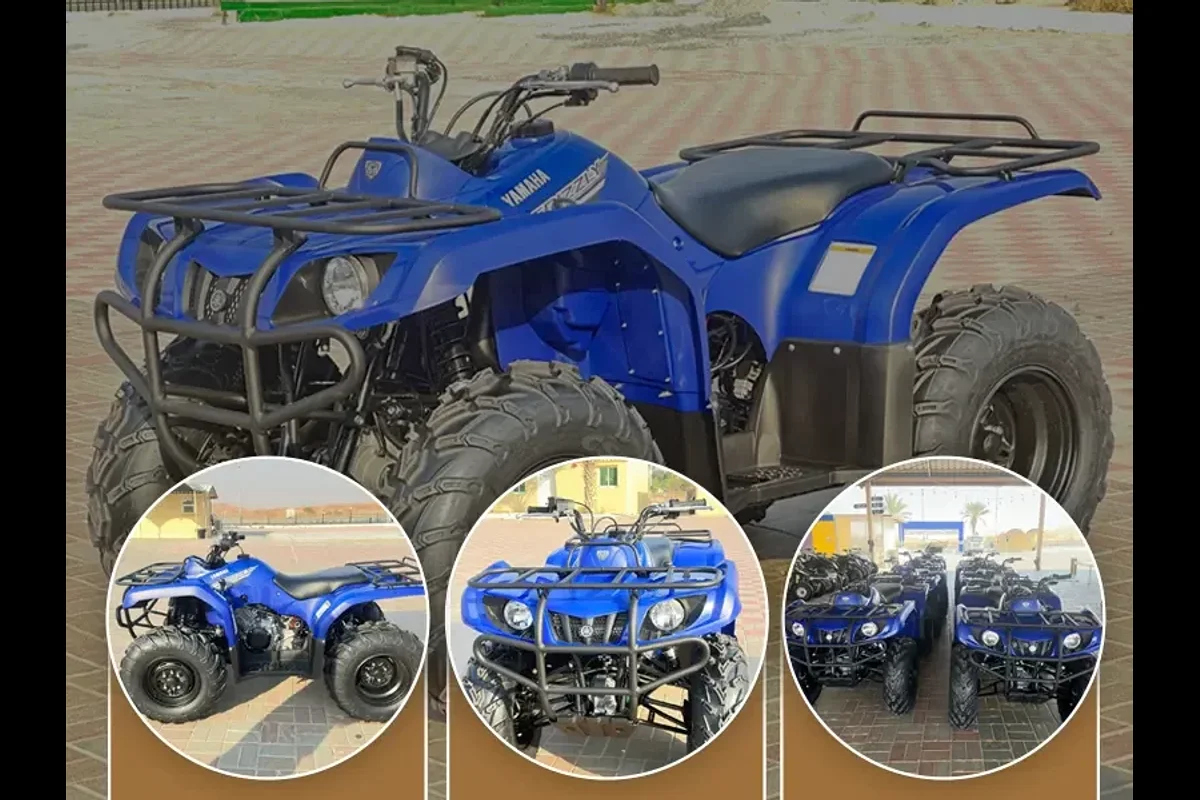
Start with the type of ride being offered. A single-seater buggy suits someone who wants full control and a focused drive. A passenger buggy works better for two people who want to share the experience, though visibility and comfort can vary by seat position. If the listing does not say which vehicle type is used, ask before booking. The word buggy can cover more than one setup, and the difference matters when you arrive.
Route, terrain and pace
The desert is not a flat backdrop. Sand dunes can be gentle rolling ground or steep, shifting slopes. A good ride should match the route to the driver's ability and the condition of the terrain at the time. If the plan includes fast sections, sharp turns or steep climbs, that is a different outing from a slower tour with photo stops.
Check whether the booking is for laps and tours or for a longer desert route. Laps can be useful for first-timers because the driving area is easier to understand. Longer tours may feel more open, but they also depend more on guide quality, group spacing and clear instructions. Ask how the pace is managed, especially if children or less confident drivers are in the group.
It also helps to know what happens if conditions change. Wind, heat and soft sand can affect the route. A responsible operator will adjust the plan rather than push through unsuitable terrain. If a listing gives no hint of flexibility, treat that as a sign to ask more questions.
What is included in the booking
Many confusing moments happen because the booking looked simple but the inclusions were vague. Read the details closely and compare them with what you expect on the day. A clear listing should make it easy to understand what the price covers and what is optional.
- Driving time: Check whether the quoted time means actual driving, a full activity window, or the whole outing including transfers and stops.
- Safety gear: Look for helmets and seat belts, and ask whether sizes are available for everyone in the group.
- Group size: A smaller group often means clearer instructions and less waiting, while a larger group can feel busier and less personal.
- Transfers and meeting point: Confirm where the activity begins and whether transport is part of the booking.
- Extras: Photos, refreshments and added activities may be included or separate, so check before arrival.
When comparing buggy dubai options, focus on the content of the booking rather than the style of the advert. Two rides can look similar online but differ in driving time, route quality and level of supervision. The clearest choice is often the one that explains the day in plain language.
Driver requirements and suitability
Do not assume that everyone can drive the same vehicle. Age limits, licence rules and passenger requirements can differ. Some rides allow a beginner to drive after a short briefing. Others may be better suited to people with off-road driving experience. If there is any doubt, ask directly and give honest details about the people in your group.
Think about physical comfort too. Off-road driving involves vibration, dust, heat and sudden movement. A rider with back problems, neck issues or motion sensitivity may prefer a calmer route or a passenger seat. Loose clothing, long scarves and unsecured accessories can be awkward around vehicles, so plan sensible clothing in advance.
Children need particular care. Check age rules, seat arrangements and whether the route can be adjusted for a family group. A ride that sounds exciting in a short description may not be the best fit if the pace is high or the terrain is rough.
Safety standards and vehicle condition
Safety is not just a badge on a website. It shows up in the small details: a briefing before departure, clear hand signals or radio instructions, sensible spacing between vehicles, and staff who stop the ride when conditions are not suitable. Look for signs that safety is treated as part of the activity, not an afterthought.
Vehicle condition matters just as much. A dune buggy used for off-road driving needs regular inspection because sand, heat and repeated impacts put stress on parts. Ask about maintenance routines and what happens if a vehicle has a problem during the ride. A professional setup will have a plan for delays, replacements or changes to the route.
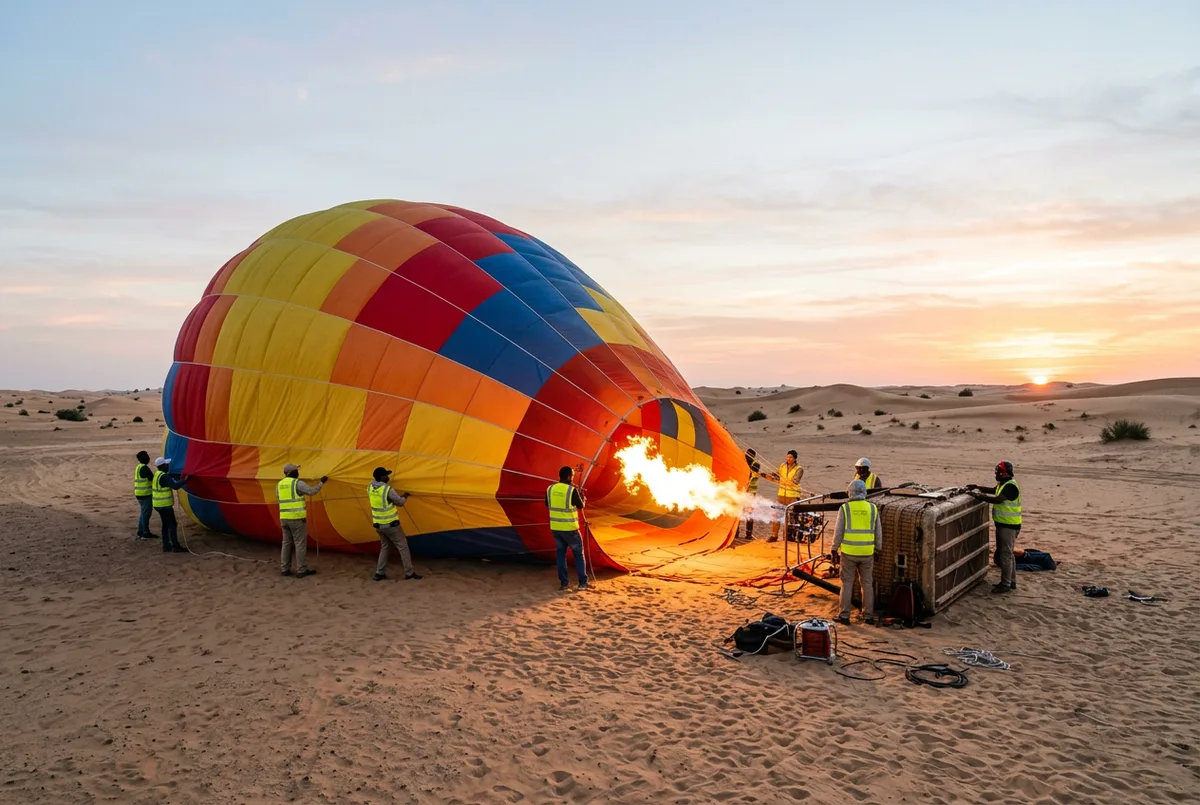
Safety gear should be fitted properly, not simply handed out. Helmets need to sit level and stay secure. Seat belts should be easy to use and in good condition. If anything feels wrong before the ride starts, say so. It is much easier to solve a problem at the start than during a rough stretch of desert.
Reputation and clear communication
Before committing, look for consistent information across the booking details. Check that the meeting point, activity length, inclusions and rules are described in the same way wherever they appear. Conflicting details can lead to confusion on the day, even when the ride itself is well run.
Reviews can help when they describe useful specifics, such as whether the briefing was clear, whether the group was organised and whether the route matched the description. Vague praise is less helpful. Detailed comments give a better sense of how the outing works in practice.
Communication before booking is also a clue. A clear answer about route type, vehicle setup, safety gear or driver rules usually means the activity is organised with care. If basic questions receive unclear replies, pause before paying. The desert does not need to be unpredictable in the wrong way.
Timing, weather and desert comfort
Time of day changes the feel of the ride. Cooler hours are usually more comfortable, while midday heat can make even a short outing tiring. Sun position also affects visibility on sand, especially when dunes throw sharp shadows. Ask what time slots are available and how the route is planned around daylight.
Dust is normal in off-road driving, but it can be uncomfortable when vehicles follow too closely. Group spacing and route choice make a real difference. If you wear contact lenses or have breathing sensitivity, prepare accordingly and ask how dusty the route tends to be.
Bring water, use sun protection and avoid carrying items that may fly out during the ride. Phones, cameras and small bags need secure storage. If there is no clear place to keep belongings, that is worth checking before arrival. A desert safari can be memorable for the right reasons when practical comfort has been handled.

Cancellation rules and final checks
Read the cancellation and change rules before booking, not after. Weather and personal plans can change, and a clear policy prevents frustration. Check what counts as a valid reason to reschedule and how much notice is needed. If the rules are hard to find, ask for them in writing.
Finally, confirm the small details the day before: meeting point, start time, vehicle type, included gear and who to contact if plans shift. A short message can prevent a long delay. Good preparation does not remove the sense of adventure. It simply lets the ride begin with fewer surprises.
The best choice is rarely the one with the loudest description. It is the ride that matches your group, explains the route clearly, uses proper safety gear and adapts when the desert conditions change. Check those points first, then look at the excitement. The fun feels better when the basics are sound.